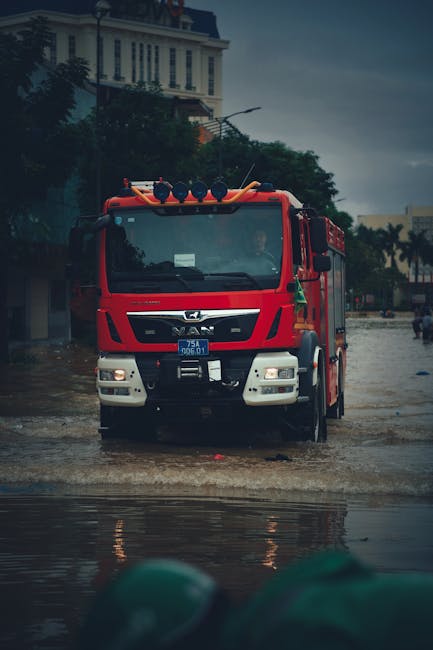
What to Know About Emergency Flood Cleaning St Helier
If water has got into your home or business, the first few hours matter more than people think. Emergency flood cleaning in St Helier is not just about mopping up the visible mess. It is about stopping further damage, reducing damp and odour, and making sure the space is safe to use again. In a wet, stressful moment, clear steps help. So does a calm plan.
This guide explains what emergency flood cleaning actually involves, how the process usually works, who needs it, and what to watch out for in St Helier. You will also find practical tips, a comparison of common clean-up methods, and a checklist you can use straight away. Truth be told, flood damage has a habit of creeping up on you if you leave it too long.
Why emergency flood cleaning in St Helier matters
Flooding is one of those problems that looks manageable for the first ten minutes and then becomes a bigger job by the hour. Water seeps under skirting boards, into carpets, behind furniture, and into the little gaps you do not notice until later. If the water is left sitting, you may end up with swollen materials, staining, electrical concerns, bad smells, and the kind of damp that lingers for weeks.
In St Helier, where homes and commercial spaces can be close together and access may be tight, a quick response helps limit how far the damage spreads. That matters whether the source is a burst pipe, appliance leak, blocked drain, heavy rain, or an overflow. Emergency flood cleaning is really a damage-control process first and a cleaning job second.
There is also the human side of it. A flooded room can throw off your day, your sleep, and your sense of control. You want the place dry, safe, and back to normal as soon as possible. Fair enough. Nobody wants to spend the week standing over a dehumidifier listening to it hum like an annoyed fridge.
For larger cleanup and soft-furnishing recovery needs, it can help to understand the wider range of specialist services available, such as carpet cleaning and upholstery cleaning, especially where water has spread beyond the floor.
How emergency flood cleaning works
Emergency flood cleaning usually follows a simple principle: make the area safe, remove water, dry everything thoroughly, then clean and assess for secondary damage. The exact process depends on the type of water involved and how long it has been sitting there.
Clean water from a burst pipe is very different from grey water or contaminated floodwater. That distinction matters because it changes the level of protective equipment, cleaning products, and disposal steps needed. A professional team will normally start by identifying the source and severity of the incident before doing anything else.
Typical stages of a proper response
- Initial assessment: Check the extent of the water, likely source, and any safety risks.
- Containment: Stop the leak if possible and protect unaffected areas.
- Water extraction: Remove standing water using suitable equipment.
- Drying: Use air movement and dehumidification to reduce moisture in floors, walls, and furnishings.
- Cleaning and disinfection: Deal with residue, bacteria risk, and smells where required.
- Inspection: Look for hidden moisture, warping, mould risk, and material failure.
- Final sign-off: Confirm the area is dry enough and safe enough for normal use.
One thing people often miss: drying is not the same as looking dry. A carpet may feel fine at the surface while the underlay is still wet. That is how mould and lingering odours quietly get started. Sneaky stuff, really.
What changes the process?
- The source of water: clean, grey, or contaminated.
- The materials affected: carpet, wood, plasterboard, upholstery, rugs, or hard flooring.
- How long the water has been present: minutes, hours, or days.
- Accessibility: basement room, flat, narrow staircase, or commercial unit.
- Weather and ventilation: damp conditions can slow drying significantly.
Key benefits and practical advantages
Fast flood cleaning is mainly about limiting damage, but there are several practical advantages that matter in real life.
- Less structural damage: Acting early helps reduce swelling, staining, and deterioration.
- Lower mould risk: Moist environments are exactly where mould likes to settle in.
- Better odour control: Quick extraction and drying can stop that musty smell from taking hold.
- Safer living or working conditions: Wet floors and hidden moisture can be a slip hazard and a health concern.
- Improved recovery of soft furnishings: Carpets, rugs, curtains, and upholstery stand a better chance if treated quickly.
- Less disruption: A well-planned response gets rooms back into use sooner.
There is also a quieter benefit: peace of mind. Once the water is gone and the drying plan is in place, the whole situation feels less chaotic. You can make decisions instead of reacting to puddles. That sounds small, but in a flood, it is huge.
If the incident affects commercial premises, this can matter even more. A shop, office, or rented unit may need a faster turnaround to reduce downtime and avoid customer or staff disruption. For business-related situations, it may also help to review broader commercial carpet cleaning support where floors have taken the hit.
Who this is for and when it makes sense
Emergency flood cleaning is for anyone facing sudden water intrusion that goes beyond a simple wipe-up. If the spill is large, keeps returning, or has spread into materials that hold moisture, it makes sense to treat it as an emergency rather than a routine clean.
This is especially relevant for:
- homeowners dealing with burst pipes, roof leaks, or appliance failure
- tenants who need to protect the property and document damage quickly
- landlords responding to a flooded flat or communal area
- business owners trying to keep a premises safe and operational
- property managers handling multiple rooms or repeated leaks
- anyone with carpet, rugs, upholstered furniture, or wooden flooring at risk
It also makes sense if the affected area has a lingering smell, damp patches, bubbling paint, or soft flooring underfoot. Those are signs the issue is deeper than the surface. And yes, sometimes the room can look almost fine while the underlay is quietly soaking up water like a sponge with a grudge.
If the water has soaked into fabric or soft furnishings, you may also need specialist help with items such as sofa cleaning or curtain cleaning, depending on what was affected.
Step-by-step guidance
Here is a practical order of operations you can follow if you are dealing with a flood in St Helier. The sequence matters. Jumping ahead often creates more work later.
1. Make the area safe
Before anything else, check for electrical hazards. If water is near sockets, appliances, or wiring, do not wade in blindly. If you can do so safely, turn off power to the affected area. If there is any doubt, wait for a qualified person. Safety first. Boring advice maybe, but absolutely the right one.
2. Stop the water source
If the leak is internal and accessible, shut off the supply. If it is from outside, such as heavy rainfall or drainage backflow, focus on containment and do what you can to limit spread.
3. Remove standing water
Use towels, a wet vacuum, or professional extraction equipment where appropriate. The aim is to reduce moisture quickly, not just shuffle it around. In some rooms, a few millimetres of water can still get into edge trim, carpet backing, or subflooring.
4. Protect items that can be saved
Move furniture, rugs, papers, and small items out of the wet area if it is safe to do so. Place furniture on blocks or foil tabs when needed so legs do not sit in water. This feels like a tiny detail, but it can prevent staining and warping.
5. Start drying immediately
Open windows if weather conditions help, but do not rely on ventilation alone. Fans, dehumidifiers, and directed airflow usually do more of the heavy lifting. Drying should continue until hidden moisture is under control, not just until the floor feels okay underfoot.
6. Clean and sanitise
Once water is removed, surfaces should be cleaned using suitable products for the material and contamination level. Floodwater can leave dirt, bacteria, and residue. If there is a strong smell or visible contamination, a more thorough sanitising process may be needed.
7. Check for hidden damage
Look behind furniture, under carpets, at skirting boards, and around door frames. A room can look calm while moisture is still trapped in the edges. That is where careful inspection pays off.
8. Monitor for 24 to 72 hours
Even after drying starts, it is sensible to keep an eye on the room for any return of damp smells, cold patches, or discoloration. In some cases, the effect is immediate. In others, the problem only shows itself a day later. Annoying, but true.
Expert tips for better results
A few practical habits can make the difference between a tidy recovery and a bigger restoration job.
- Act fast, but not recklessly: speed matters, yet safety always comes first.
- Document the damage: photos and notes help if you need to speak to an insurer or landlord later.
- Lift rather than drag: moving wet furniture carefully helps prevent further damage to flooring.
- Do not trust surface dryness: check edges, seams, and underneath items.
- Use the right drying method for the room: a small bathroom needs a different approach from a hallway or lounge.
- Separate clean items from contaminated ones: this reduces cross-contamination and keeps salvageable items safer.
One helpful habit is to smell the room as well as inspect it. A sweet, earthy, or stale odour often tells you there is still moisture lurking somewhere. It is not a scientific test, of course, but in practice it catches more than a few problems early.
For persistent odour or water-related smells, it may help to read more about damp odour strategies and how lingering moisture can affect soft furnishings and flooring.
Common mistakes to avoid
Flood clean-up is one of those jobs where a well-meant shortcut can backfire. Here are the mistakes that cause the most trouble.
- Waiting too long: the longer water sits, the harder it is to reverse the damage.
- Only cleaning what you can see: hidden moisture is where the real problems start.
- Using too much heat too quickly: this can warp materials or trap moisture inside them.
- Putting furniture back too soon: it may create marks, stains, or secondary damp patches.
- Ignoring the source: if the leak is not fixed, the clean-up is temporary.
- Assuming all water is the same: contamination level changes how carefully the area must be handled.
- Skipping protective measures: gloves, masks, and sensible footwear matter more than people think.
A particularly common one? Trying to dry everything with just a few open windows and hope. Nice idea. Not enough. In a damp room on a grey St Helier afternoon, nature is not usually in a hurry to help you.
Tools, resources and recommendations
You do not always need a full specialist setup to start dealing with a flood, but the right tools make the job safer and more effective.
| Method or tool | Best for | Strengths | Limitations |
|---|---|---|---|
| Absorbent towels and mops | Small clean-water spills | Quick for shallow water and initial control | Limited for soaked carpets or hidden moisture |
| Wet vacuum | Moderate water on hard floors or low-level carpet moisture | Removes more water than hand drying | Not ideal for all materials or contamination types |
| Fans and air movers | General drying | Helps evaporation and airflow | Works best with dehumidification too |
| Dehumidifier | Trapped moisture in rooms and materials | Speeds drying and reduces humidity | Needs correct placement and time |
| Protective gloves and footwear | Any uncertain water source | Helps protect skin and reduce slips | Not a substitute for safe handling |
For soft furnishing recovery, the right specialist service can help save items that would otherwise be written off too early. If water has reached mattresses, the decision is often time-sensitive, so mattress cleaning may be worth considering where the item is salvageable and hygienically recoverable.
And if carpets have picked up silt, marks, or odour after the flood, a targeted finish such as stain removal or odour treatment can sometimes make a real difference. Not every item can be saved, but some can. It depends on the material, timing, and contamination level.
Law, compliance, standards, or best practice
Flood cleaning can overlap with health, safety, and property responsibilities, so it is worth being careful and sensible. In the UK, landlords, property managers, and employers all have duties around maintaining safe premises. The precise obligations depend on the situation, but the broad principle is straightforward: do not leave a water-damaged area in a condition that could harm people.
Best practice usually includes:
- keeping the area safe from electrical and slip hazards
- using suitable protective equipment where contamination is possible
- disposing of damaged materials responsibly
- preventing mould growth through timely drying
- recording damage and actions taken
- using services and products appropriately for the material involved
If there is contaminated water, the clean-up standard should be more cautious. That may mean stricter hygiene steps, careful handling of porous materials, and sometimes removal rather than restoration. When in doubt, err on the side of caution. It is the least glamorous advice in the world, but it saves headaches.
Businesses may also need to think about insurance requirements, staff access, and a safe return-to-use plan. For firms managing multiple spaces, a simple internal log of what was affected, what was dried, and what was replaced can be genuinely helpful later.
Options, methods, or comparison table
Not every flood incident needs the same response. The right method depends on how much water there is, what it touched, and how quickly you respond.
| Approach | Best use | Pros | Cons |
|---|---|---|---|
| DIY initial clean-up | Very small, clean-water incidents | Fast, low-cost, immediate action | Limited drying power and higher chance of missed moisture |
| Targeted professional drying | Moderate floods, wet carpets, or hidden moisture | More thorough and better for damage control | May cost more than basic DIY |
| Deep restoration and sanitation | Contaminated water or widespread damage | Best for safety and full recovery | More disruption and may involve material removal |
A practical rule of thumb: if the water touched porous materials, sat for more than a short time, or has a smell, a deeper response is usually smarter. If it was a tiny clean-water spill and you caught it immediately, a simpler approach may be enough. That said, surprises happen. Floors are like that.
Case study or real-world example
Imagine a ground-floor flat in St Helier after a washing machine hose fails overnight. By morning, water has spread across part of the kitchen and into the hallway carpet. At first glance it looks manageable. Towels help. The visible water goes. Job done? Not quite.
Once the skirting boards are checked, the carpet edge feels damp and the underlay is holding moisture. A dehumidifier is brought in, furniture is lifted, and the affected area is isolated. The floor is monitored over the next couple of days, and the carpet section nearest the leak is given extra attention because that is where smells and mould risk usually start.
What made the difference was not dramatic equipment or a fancy trick. It was speed, careful inspection, and not assuming the surface told the whole story. That is very often how flood recovery goes. Quiet, methodical, a bit messy. Then better.
In a similar situation, if a fabric sofa had also been exposed, the recovery plan would need to include upholstery care as well. If the damage extends beyond flooring, services such as sofa cleaning and upholstery cleaning can help reduce long-term damage, provided the item is still suitable for restoration.
Practical checklist
Use this checklist during or just after a flood incident. It is simple, but useful.
- Stop the water source if possible.
- Switch off electricity to affected areas if safe to do so.
- Move people and pets away from the wet area.
- Photograph the damage before moving too much.
- Remove standing water with suitable tools.
- Lift or protect furniture legs and soft furnishings.
- Start drying straight away with airflow and dehumidification.
- Check under carpets, along edges, and behind furniture.
- Clean and sanitise surfaces appropriately.
- Watch for smells, staining, or new damp patches over the next 24 to 72 hours.
- Speak to your insurer, landlord, or property manager if needed.
- Arrange specialist help if water has soaked into porous materials or contamination is suspected.
It helps to keep this kind of checklist somewhere handy, because once floodwater is on the floor, nobody is thinking with perfect clarity. Fair enough.
Conclusion
What to know about emergency flood cleaning St Helier comes down to a few simple but important truths: act quickly, stay safe, dry thoroughly, and do not underestimate hidden moisture. The visible water is only part of the problem. The real job is protecting the structure, the furnishings, and the indoor environment before damp gets a chance to settle in.
If you remember nothing else, remember this: speed matters, but judgement matters too. A calm, sensible response often saves more than panic ever will. And if the situation is bigger than a quick clean-up, it is better to get proper help early than to fight a growing problem for days.
Get a free quote today and see how much you can save.
When water has disrupted your day, the right response can turn a stressful mess into a manageable recovery. One step at a time. That really is enough.
Frequently Asked Questions
What should I do first after a flood in my home?
Make the area safe first. If there is any risk from electricity, do not step into standing water until power has been isolated safely. Then stop the water source if possible, photograph the damage, and begin removing standing water. The sooner you start drying, the better the outcome tends to be.
How quickly should emergency flood cleaning start?
As quickly as possible, ideally within hours. Moisture begins affecting flooring, plaster, and soft furnishings almost immediately. Even if the room looks only partly wet, hidden water can continue to spread and cause trouble later.
Can I clean flood damage myself?
Small clean-water spills may be manageable with towels, a wet vacuum, and drying equipment. But if water has soaked into carpet, underlay, wood, or contaminated materials, professional help is often the safer option. DIY has limits, and floodwater enjoys finding those limits.
What makes flood cleaning different from normal deep cleaning?
Flood cleaning is about water removal, drying, contamination control, and damage prevention. Normal deep cleaning focuses on dirt and hygiene. Flood recovery needs both, but the drying and inspection steps are what really set it apart.
How do I know if there is hidden moisture?
Watch for cold patches, lingering damp smells, stained edges, bubbling paint, or flooring that feels soft or slightly raised. Hidden moisture can stay in carpets, underlay, skirting boards, and wall bases long after the surface looks dry.
Will floodwater damage carpet permanently?
Not always. The outcome depends on the type of water, how long it sat, and how quickly drying started. Clean water and fast action give the best chance of recovery. If contamination is involved, replacement may be the more sensible route for some materials.
How long does it take to dry a flooded room?
There is no single answer. A small spill might dry in a day or two with proper airflow and dehumidification, while a more serious flood can take several days or longer. The materials involved matter a lot, and so does the weather.
What are the biggest mistakes people make after flooding?
The biggest ones are waiting too long, drying only the surface, and putting furniture back before the room is properly dry. Another common mistake is ignoring odour, because smell often tells you moisture is still present.
Do I need to replace everything after flood damage?
No, not always. Some items can be cleaned and recovered if action is taken early. Others, especially porous or contaminated materials, may need replacing. A proper assessment should look at salvage value, safety, and long-term damp risk.
Is flood cleaning covered by insurance?
It may be, but cover depends on your policy and the cause of the damage. It is sensible to check your documents and speak to your insurer as soon as you can. Keep photos and notes, because clear records usually make the process smoother.
Can flood water cause mould?
Yes. If moisture remains in materials or hidden spaces, mould can begin to develop. That is one of the main reasons quick extraction and thorough drying are so important. Preventing it is much easier than dealing with it later.
What if the flood happened in a rented property or flat?
Tell the landlord, letting agent, or property manager promptly and document the damage. If there are shared spaces or neighbouring units involved, report that too. In flats, access, drainage, and source tracing can be a bit more complicated, so communication helps.
Should I clean upholstery after floodwater exposure?
If the upholstery was touched by water, yes, it should be assessed quickly. Some items can be cleaned and dried, while others may trap moisture too deeply. A professional judgment is useful here, especially if the fabric holds odour or the water quality was poor.
What is the safest way to deal with contaminated floodwater?
Avoid direct contact where possible, wear protective gear, and treat the area as a hygiene risk. Contaminated water should be handled more cautiously than clean water, and porous items may need specialist cleaning or disposal. If in doubt, be conservative. It is just not worth taking chances.